
Detmold Group is a leading manufacturer of paper and board based packaging products for a diverse range of customers.




Are you sure?
Are you sure? If you change your country now, any items you have added to your quote will disappear.
Your location
Please set your location to see relevant stock levels. Freight costs and taxes will be calculated once you log in.
Note: changing your location will empty your cart.
cut the rubbish: Recyclable vs compostable coffee cups
With continuing concerns around single-use coffee cups and their impact on our environment, there has been a big shift in the market with increasing demands for sustainable alternatives like reusable coffee cups compostable or recyclable options.
There is a big question mark around recycling and composting. So what is the difference, and what is the right disposal option for food packaging, specifically takeaway cups? We are here to bring you the facts on compostable and recyclable cups, and to help you work out which suits your café.These cups are available in single and double wall constructions, including PLA-lined double wall hot cups for hotter beverages.
Compostable Coffee Cups
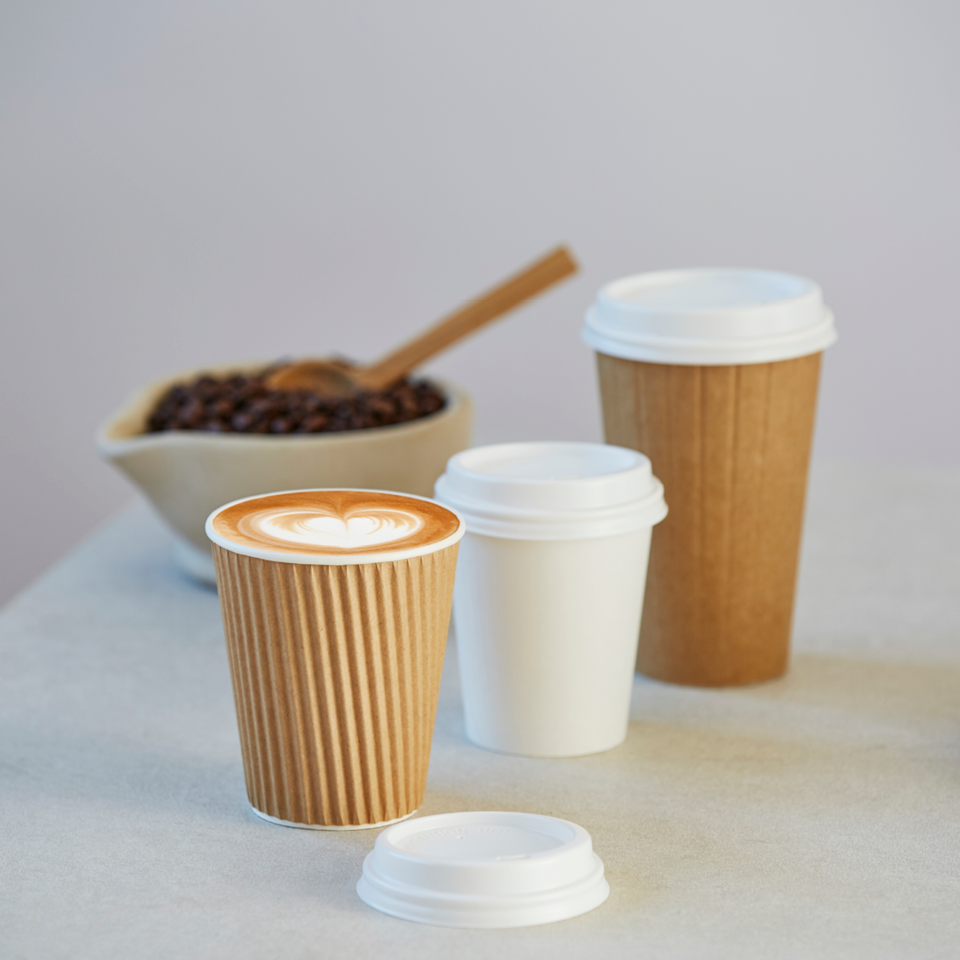
Compostable packaging, including PLA hot beverage cups, paper coffee cups, and coffee cup lids, is made with a bioplastic lining designed to reduce the environmental footprint of disposable coffee cups.
PLA packaging composts under specific conditions as defined by the EU standard EN134321.
These conditions are present at commercial composting facilities. To ensure your PLA product is successfully processed, ensure it is collected for commercial composting.
Compostable paper cups cannot be recycled in the paper and cardboard recycling stream and should be collected separately for commercial composting.
This is due to the limitations of separating the lining from the paper fibre3. And despite some claims that they can be placed in the mixed kerbside recycling bin, as demonstrated in our recent article, a MRF cannot process any takeaway cups for recycling.
Commercial vs home composting
PLA coffee cups need to be collected for commercial composting to ensure they break down alongside food or organic products, unlike reusable coffee cups that can be washed and reused at home.
If home composting matters to your customers, the cup matters too. PLA-lined cups are built for commercial composting only and meet the commercial standard AS 4736. For a home-compostable option, Detpak's aqueous hot cups use a water-based coating instead of a bioplastic lining and are certified to the home compost standard AS 5810.
Diverting organic waste from landfills removes the risk of the paper component of paper-and-bioplastic coffee cups breaking down and releasing greenhouse gases, including methane.
By ensuring your PLA products are successfully collected for commercial composting, you can remove the risk that these products will release greenhouse gases in landfills.
Recyclable coffee cups
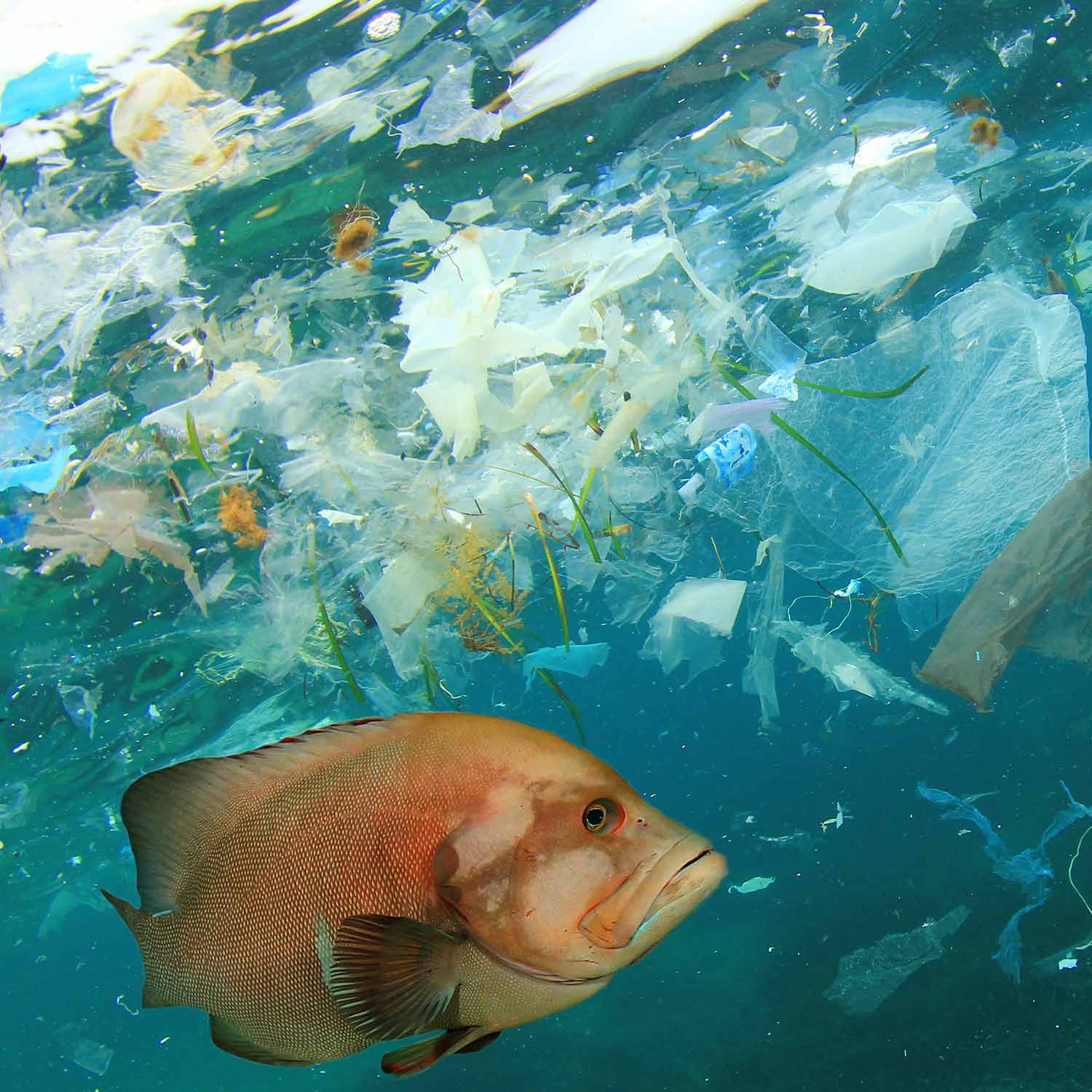
So, are takeaway coffee cups recyclable? The answer depends on the cup and on how it is collected.
Most takeaway cups cannot go in your kerbside recycling bin. As our behind the scenes at a MRF article shows, a standard materials recovery facility cannot separate the lining from the paper fibre, so lined cups are not recovered through mixed recycling.
To be recycled, a coffee cup needs to be made from high-quality fibre and collected through a dedicated cup recovery stream, not the general kerbside bin. Without access to that kind of collection, a recyclable cup ends up in landfill the same as any other.
The real difference for cafés
Compostable and recyclable cups have one thing in common: both rely on the right collection. Compostable cups need a commercial composting stream (or a home compost bin, for aqueous-lined cups), and recyclable cups need a dedicated fibre recovery stream. Neither works in a standard kerbside recycling bin.
So the choice comes down to the collection you can actually access:
- Commercial composting or organics collection available: compostable cups like PLA-lined single wall or double wall cups divert waste from landfill.
- Customers composting at home: aqueous hot cups are certified for home composting.
- A dedicated cup recovery program is available: high-fibre recyclable cups can be collected and recycled.
- None of the above: a reusable cup remains the lowest-waste option.
Sources:
1What are the required circumstances for a compostable product to compost? European Bioplastics, 2016
2The compostable cup you can’t compost, Sydney Morning Herald, 2017
3How to recycle biodegradable coffee cups, Resource, January 2019
4 Why compostable plastics may be no better for the environment, SBS, September 2018
5Envisage Works and Department of the Environment and Energy, Australian Plastics Recycling Survey – National Report, 2016–17
6Availability of NZ facilities to process compostable coffee cups and food packaging, Beyond the Bin 2017