


Polylactic acid or polylactide, or PLA for short, is a bioplastic resin made from renewable resources, like corn, potatoes, tapioca and sugarcane. With growing interest in sustainable packaging solutions, demand for eco-friendly materials, like PLA, is on the rise.
Want to learn more about PLA? In this article, we’ll be giving you an overview of PLA, how it’s made, the benefits it offers.
What is PLA and how is it made?
PLA, or Polylactic Acid, is made through a multi-step process that transforms plant materials, like corn starch, sugarcane or potatoes, into a compostable bioplastic resin.
Here’s how:
- Harvesting plant material: The process begins with plants that contain high levels of starch or sugar, like corn or sugarcane. These plants are grown, harvested, and processed to extract glucose, a simple sugar. Unlike fossil fuels, these plants can be regrown year after year, meaning PLA can be made from renewable sources.
- Fermentation: The glucose is left to ferment by bacteria, similar to yoghurt or beer production. From here, the fermentation converts the sugar into lactic acid.
- Polymerisation: The lactic acid molecules are then chemically bonded through a process known as polymerisation. This creates long chains of polylactic acid (PLA). It’s this step that transforms the lactic acid into a usable plastic-like material.
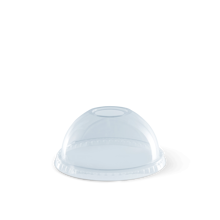
- Pelletisation and moulding: The remaining PLA is then dried, melted and formed into plastic pellets. These pellets can be shaped or moulded into a number of packaging products, such as portion cups, takeaway lids or even compostable cutlery.
Why is PLA used in food packaging?
As demand for sustainable food packaging solutions continues to grow, PLA has emerged as a popular choice, and for good reason.
Most importantly, PLA is both food-safe and non-toxic, having been approved by regulatory bodies around the world. As you now know, PLA is made from plant-based materials, and with no harmful additives, it makes for a safe and hygienic option for packaging food items.
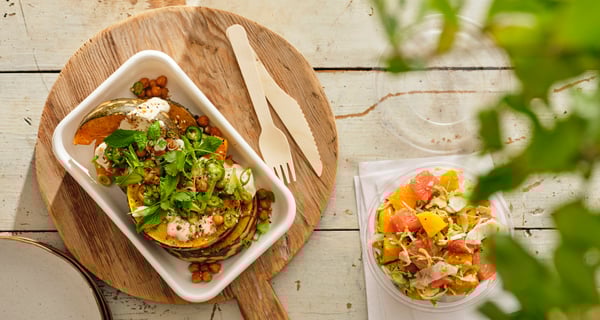
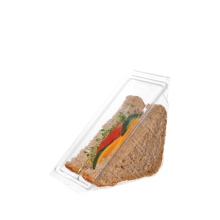
Another one of PLA’s key selling points is its incredible transparency and visibility, making it an excellent choice for displaying food products. This is often a big drawcard for food businesses that value presentation, including cafes, food trucks and takeaway stores. That said, PLA still performs the same as plastic packaging in terms of durability and strength.
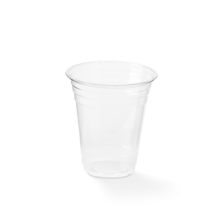
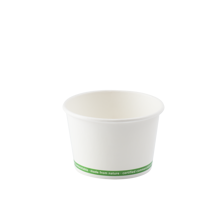
PLA packaging is incredibly versatile. The pellets can be easily shaped into a number of packaging products, including portion cups, takeaway lids, containers, cutlery and more. That way, food businesses can offer consistent and sustainable packaging regardless of what they’re serving up.
Unlike traditional plastic packaging, PLA is certified compostable under commercial conditions. This means that under the right conditions, PLA packaging will break down into carbon dioxide, water and organic matter, helping to reduce waste while supporting the circular economy.
PLA vs traditional plastics
There’s no denying that PLA and traditional plastic packaging share some performance similarities in terms of appearance and durability. That said, there are a few key differences that set these materials apart. The table below provides a comparison of PLA vs traditional plastic packaging.
| PLA | Traditional Plastic | |
| Source material | Made from rapidly renewable sources. | Made from non-renewable sources, like petroleum. |
| Biodegradability | Certified commercially compostable (AS 4736 and EN 13432). | Not biodegradable. Takes hundreds of years to decompose and even then breaks down into harmful microplastics. |
| End-of-life option | Commercially compostable. | Landfill or recycling (if facilities are available). |
| Carbon footprint | Lower, due to plant-based origin and carbon absorption. | Higher, due to fossil fuel extraction and processing. |
| Food safety | Certified safe for food contact. | Safe for food contact (depending on type and additives). |
| Appearance | Clear and glossy, ideal for displaying food. | Also clear (PET), but it varies by plastic type. |
| Perception | Seen as eco-friendly and sustainable. | Increasingly viewed as harmful to the environment. |
Is PLA really sustainable?
PLA is one of the most sustainable packaging options available. Here are just some of the advantages that come with using PLA food packaging:
- Lower carbon footprint: Thanks to its plant-based source and sustainable end-of-life disposal, PLA packaging offers a lower carbon footprint compared to other packaging alternatives.
- Renewable sources: PLA is made from rapidly growing plant sources that can be regrown year on year.
- Supports the circular economy: Detpak’s range of PLA packaging is certified commercially compostable to Australian (AS 4736) and European standards (EN 13432), supporting the circular economy.
While PLA packaging brings with it several key benefits, no packaging is perfect, so it’s important to be aware of the drawbacks too:
- Requires commercial composting: At this stage, PLA will only break down under commercial composting conditions, meaning it won’t decompose naturally in landfill.
- Can be more costly: Compared to other packaging alternatives, the cost of PLA packaging is typically higher due to raw material and processing costs.
Making the switch to PLA packaging
As a plant-based plastic alternative, PLA offers a more sustainable option for food packaging. At Detpak, we offer a range of PLA food packaging, along with other sustainable packaging solutions to help your business minimise its environmental footprint. Explore the range of PLA packaging solutions or chat with the team for more tailored advice.